














Introduction
When a contractor or window company needs to source commercial aluminum windows for a project, the core challenge is usually scope clarity, not product availability. Without confirmed drawings, window schedules, glass specifications, finish codes, and hardware selections, supplier proposals are hard to compare and cost surprises are common.
This guide walks through the technical decisions, documentation requirements, and supplier evaluation logic that project buyers need to manage before committing to a quotation.

Why Project Buyers Lose Control of Commercial Aluminum Windows Projects
Most cost overruns and specification mismatches in commercial aluminum windows projects do not start during production. They start earlier — when scope is defined too loosely, drawings are incomplete, or a supplier is selected before performance requirements are confirmed.
Common Points Where Control Breaks Down
Project buyers typically lose control at one of these stages:
- Incomplete scope at quotation: Suppliers are asked to price before drawings, window schedules, or glass specifications are available. Each supplier prices different assumptions, making proposals difficult to compare accurately.
- System selection without performance verification: Aluminum window systems vary significantly in frame depth, thermal performance, structural rating, and glazing capacity. A system that looks similar in unit price may not be compatible with the project’s opening conditions, glass build-up, or consultant performance requirements.
- Finish and hardware left unconfirmed: Powder coating color, anodizing class, hardware set, and hardware finish are often treated as afterthoughts. Late changes to these items can affect production sequencing and delivery timing.
- Delivery assumptions not discussed: Port of delivery, packing method, import responsibilities, site access conditions, and installation sequence are rarely included in early supplier discussions — but they directly affect total project cost.
- Compliance documentation not confirmed early: Whether the project requires test reports, technical submittals, or standard references, buyers should confirm what documentation is needed and what each supplier can provide before production starts — not after.
Understanding where control is lost helps buyers build a more structured supplier engagement process — which is what the framework below supports.
The Project-Ready Supplier Review Framework for Commercial Aluminum Windows
Evaluating suppliers for commercial aluminum windows requires more than comparing unit prices. A structured review considers whether a supplier can engage with the project’s actual technical requirements — drawings, schedules, glass configuration, finish, hardware, delivery logistics, and shop drawing coordination.
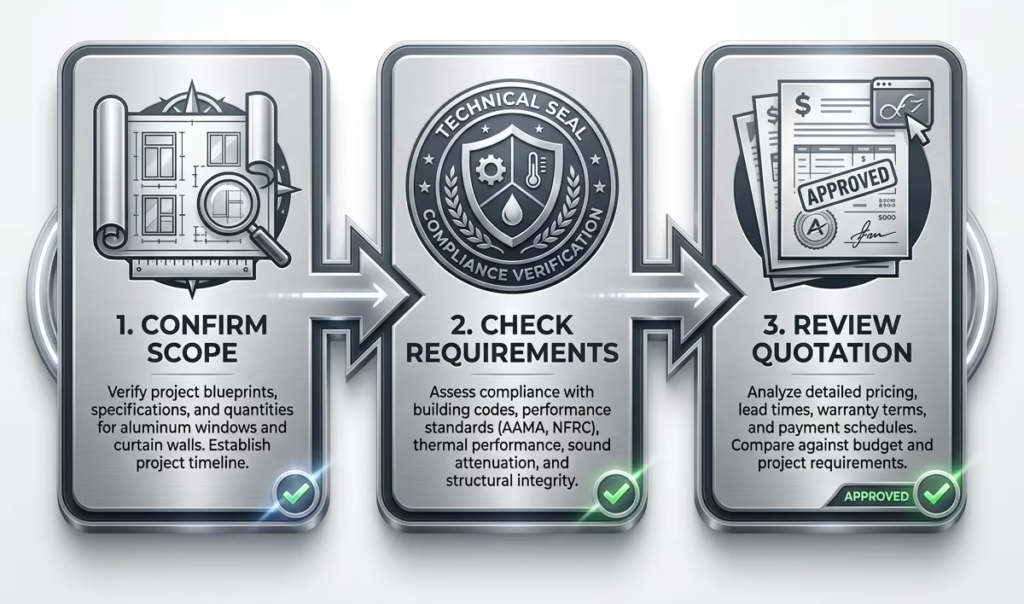
The Project-Ready Supplier Review Framework organizes this evaluation into three steps:
- Confirm scope and drawings — before requesting quotation
- Check technical and compliance requirements — before finalizing system selection
- Review quotation and delivery assumptions — before committing to a supplier
Each step is covered in detail below.
Framework Step 1: Confirm Scope and Drawings
What It Means
Before a supplier can quote commercial aluminum windows accurately, they need to understand what is actually being supplied. The buyer needs to consolidate the project inputs that define scope — not just opening dimensions, but the full configuration that affects system selection, fabrication, and cost.
Scope Confirmation Checklist
Work through the following inputs before sending a quotation request:
Architectural drawings and elevations
Drawings define the opening types, dimensions, surrounding conditions, and interface points with other systems. Elevations show how the windows relate to the facade grid and adjacent materials. Without current drawings, a supplier cannot confirm system compatibility or prepare an accurate bill of quantities.
Window and door schedule
The schedule links mark numbers to sizes, quantities, opening types, glass specifications, hardware, and location. A complete schedule reduces the risk of missing items or wrong quantities at quotation stage. If the schedule is not yet finalized, confirm which sections are stable enough to quote and which items may change.
Glass specification
Glass build-up affects performance, weight, cost, hardware selection, and system compatibility. Confirm the intended configuration — including thickness, laminated or insulated units, coating type, color, and any performance targets — before quotation. Changes to glass specification after quotation can affect pricing significantly.
Finish specification
Confirm powder coating color and gloss level, anodizing class if applicable, color code references, and sample approval requirements. Finish lead times can vary and may affect the production schedule.
Hardware schedule
Confirm hardware type, finish, brand preference if applicable, and whether hardware is supplied by the window manufacturer or sourced separately. Hardware coordination affects both fabrication and installation sequencing.
Project location and delivery assumptions
Project location affects transport routing, import documentation requirements, site access conditions, and installation scheduling. Delivery assumptions — including port of discharge, packing method, and responsibility for unloading — should be confirmed before quotation.

How to Apply It
Send suppliers a quotation request package that includes current drawings, a window schedule, glass specification, finish code, hardware list, project location, and a note on delivery assumptions. Flag any inputs still being finalized so suppliers can identify items quoted on provisional specifications.
Framework Step 2: Check Technical and Compliance Requirements
What It Means
Commercial aluminum windows are not a single product category. They span different system types, performance grades, extrusion profiles, glazing capacities, and finish specifications. Selecting the wrong system — or failing to confirm performance requirements against the project specification — creates problems that are expensive to correct after production.
Understanding System Grades: CW, AW, and Monumental
Not all commercial aluminum windows are specified to the same performance grade. The three main grades used in North American commercial projects are:
- Commercial grade (CW): Suitable for lower-rise or less demanding applications. Lighter extrusion profiles, lower structural ratings.
- Architectural grade (AW): Specified for larger commercial buildings where higher structural, air, and water performance is required. Extrusion wall thicknesses and performance requirements are typically more demanding than CW. Minimum wall thickness thresholds for AW structural members are defined in applicable industry guidelines; buyers should confirm requirements against the project specification and request technical datasheets from suppliers for verification.
- Monumental grade: The most demanding commercial grade, typically applied to large, high-profile projects with stringent structural and performance requirements.
Grade selection should be confirmed against the project specification and the structural engineer’s requirements before supplier engagement.
Technical and Compliance Checklist
Use the table below to confirm key technical parameters before finalizing system selection or supplier engagement.
| Parameter | What to Confirm | Notes |
|---|---|---|
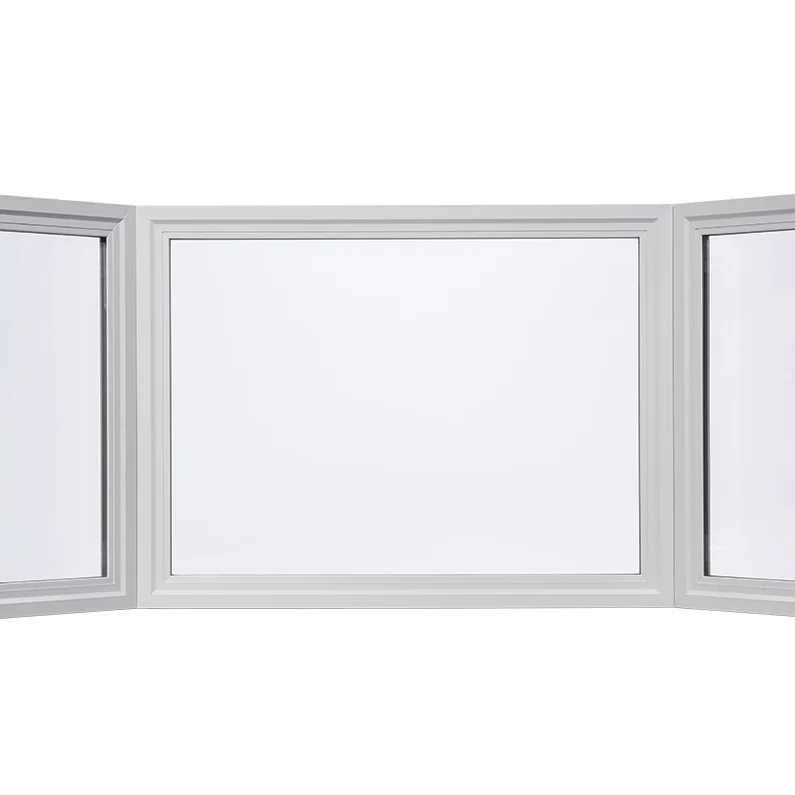
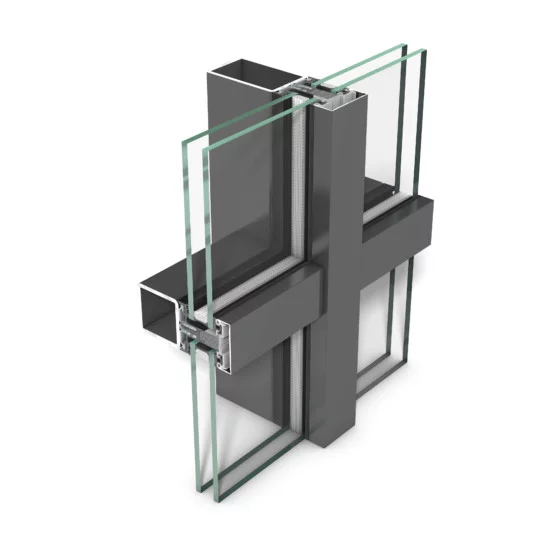
| System type | Punched opening window, window wall, or storefront | Different systems have different structural logic, glass capacity, and installation requirements |
| Performance grade | Commercial (CW), Architectural (AW), or Monumental grade | Confirm against project specification; grade determines extrusion requirements and performance benchmarks |
| Alloy and temper | Typically 6063-T5 or 6063-T6 for structural extrusions | Confirm alloy and temper requirements against project specification or structural engineer’s requirements |
| Thermal performance | Thermally broken or non-thermally broken | Confirm whether the project specification or applicable energy code — such as those referencing ASHRAE standards — requires a thermally broken system; requirements vary by market and building type. |
| Glazing capacity | Maximum glass thickness and unit weight the system can accommodate | Must be confirmed against the glass specification before production |
| Structural performance | Wind load or pressure requirements | Confirm against the structural engineer’s design loads and applicable test evidence such as ASTM E330 structural performance testing; do not assume compliance without documentation. |
| Finish specification | Powder coating grade, PVDF coating, or anodizing | For high-rise or exterior facade applications, PVDF coatings meeting criteria such as AAMA 2605 are often specified for long-term durability; confirm project specification requirements before ordering |
| Compliance documents | Test reports, certifications, or technical submittals | Requirements vary by market and project type; confirm what documentation is required by the consultant, client, or local authority before supplier selection |
How to Apply It
Review the table against the project specification and the consultant’s technical submittal requirements. Flag any parameter where the current supplier’s system has not been confirmed.
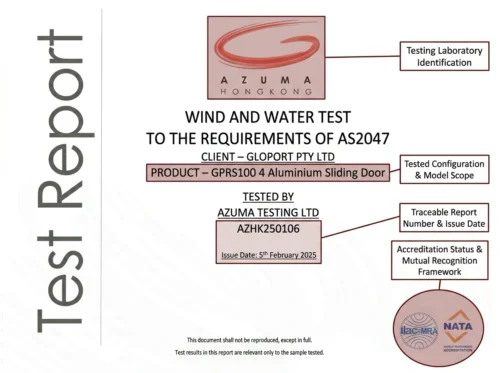
Request technical datasheets, test reports, or submittal-ready documentation before finalizing selection. Independent testing is typically conducted by AAMA accredited fenestration testing laboratories.Where compliance documentation is required, confirm that available documents are applicable to the specific product and project market — not generic certificates that may not cover the system being supplied.
Framework Step 3: Review Quotation and Delivery Assumptions
What It Means
A quotation for commercial aluminum windows is not just a unit price. It is a statement of scope, assumptions, inclusions, exclusions, and delivery terms. Two quotations that appear similar in price may cover very different scopes — and the difference only becomes visible when one supplier’s included items turn out to be the buyer’s responsibility with another.
What Affects Quotation Scope and Total Cost
Before comparing quotations, it helps to understand the main variables that affect total cost:
- Whether glass units are included or priced separately
- Hardware, gaskets, sealants, and accessory scope
- Finish type and grade (powder coating vs. PVDF; color matching and sample approval)
- Packing standard (export packing vs. domestic)
- Shop drawing preparation (included or separately charged)
- Delivery terms (EXW, FOB, CIF, DAP) and responsibility for import duties, customs clearance, and local freight
These variables explain why two similar-looking quotations may differ significantly once scope is aligned.
What to Review in a Supplier Quotation
Work through the following before accepting or committing to a quotation:
Step 1: Confirm what is included
- Are glass units included, or is the price for aluminum profile only?
- Are hardware, gaskets, sealants, fixings, and accessories included?
- Is packing for export included, and what packing standard is being used?
- Is shop drawing preparation included or separately priced?
Step 2: Confirm what is excluded
- Installation labor is typically excluded; confirm this and factor it into the project budget separately.
- Import duties, customs clearance, and local freight are often excluded; confirm delivery terms and understand which party is responsible for each cost component.
Step 3: Confirm delivery and lead time assumptions
- What is the stated production lead time, and from what trigger date does it start?
- What is the assumed port of loading, and what is the transit time to the project destination?
- Does the lead time assume drawings, schedules, and specifications are already confirmed, or is it subject to change pending final scope confirmation?
Step 4: Confirm quotation validity and revision conditions
- How long is the quotation valid?
- Under what conditions can the price be revised — for example, if the glass specification changes, quantities change significantly, or material costs shift?
Step 5: Confirm documentation and submittal requirements
- What technical documentation can the supplier provide: shop drawings, test reports, product certifications, MSDS, origin documents?
- Are these included in the scope or separately charged?
How to Apply It
Compare quotations against a consistent scope checklist rather than unit price alone. If quotation terms differ significantly between suppliers, request a scope reconciliation before making a selection. Use the quotation review stage to confirm that the supplier’s delivery assumptions align with the project timeline and site access conditions.
Where Commercial Aluminum Windows Are Specified: Project Types and Scope
Commercial aluminum windows are used across a broad range of building types — mid-rise office buildings, mixed-use developments, retail podiums, educational facilities, healthcare buildings, and residential towers. Each project type carries different performance expectations, consultant requirements, and procurement timelines.
The procurement challenge is similar across these project types: buyers need to confirm scope, verify system compatibility, and evaluate suppliers before production starts. The complexity of the technical requirements varies — a commercial tower with curtain wall and punched openings in the same facade scope requires more coordination than a single-system retail fit-out, where a single window type may cover all openings.
In multi-scope projects, buyers should confirm early which aluminum systems can be coordinated through a single supply engagement and which require separate procurement. APRO can support project discussion across multiple aluminum system scopes — including windows, doors, curtain wall, storefront, and facade — depending on project requirements.
Risk Control Logic for Commercial Aluminum Windows Projects
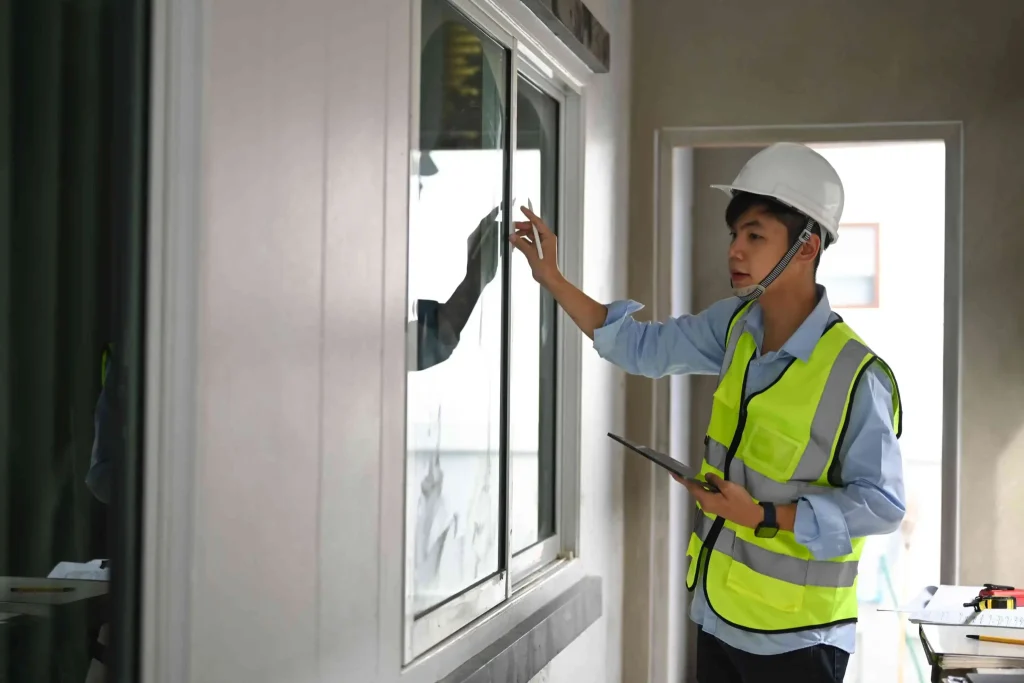
Managing risk in commercial aluminum window procurement comes down to reducing ambiguity at each stage of the supply chain — before production, during production, and before delivery.
Pre-Production Risk Controls
- Confirm scope using current drawings and schedules before quotation
- Verify system compatibility against performance requirements and glass specification
- Check that finish and hardware specifications are confirmed and lead times are understood
- Confirm what compliance documentation is required and whether the supplier can provide it
During-Production Risk Controls
- Maintain clear version control on drawings and schedules; late changes after production starts create cost and delay risk
- Confirm shop drawing review and approval sequence with the supplier before production begins
- Track production milestones against the project delivery schedule
Pre-Delivery Risk Controls
- Confirm packing and shipping documentation requirements early, particularly for export projects
- Verify import documentation requirements for the destination market before production is complete
- Confirm site readiness and installation sequencing before delivery is scheduled
Compliance Documentation as a Risk Control
Regardless of where a supplier is located, buyers should confirm that compliance documentation referenced in a quotation is applicable to the specific system and project market. Standards references, test reports, and certifications should be reviewed against the project specification requirements — not assumed from product literature alone.
Where the project specification or consultant requires verified compliance documentation, confirm what evidence is available before authorizing production. This is a standard procurement discipline that applies to all supplier evaluations.
How Project Buyers Can Apply the Framework
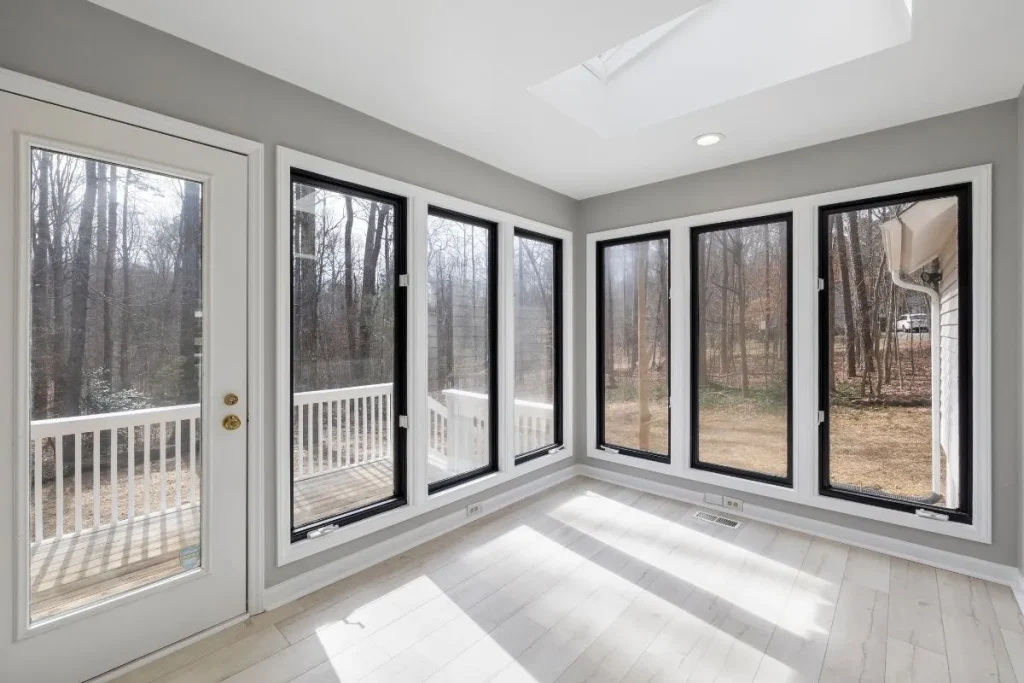
Applying the Project-Ready Supplier Review Framework to a commercial aluminum windows project does not require a complex procurement system. It requires a structured sequence of confirmation steps before committing to a supplier and before production starts.
Step-by-Step Application
Step 1: Consolidate your project inputs
Gather current architectural drawings, window and door schedule, glass specification, finish code, hardware list, project location, and delivery assumptions. If any of these are still being finalized, note which items are stable enough to quote.
Step 2: Identify your technical requirements
Use the technical and compliance checklist in Framework Step 2 to identify which system parameters need to be confirmed against the project specification. Flag any items that require consultant input or compliance documentation.
Step 3: Prepare a consistent quotation request
Send the same project inputs to each supplier you are evaluating. A consistent request makes proposals easier to compare. Include a note on any items still being confirmed so suppliers can flag provisional pricing.
Step 4: Review quotations against scope, not just price
Use the quotation review checklist in Framework Step 3 to compare inclusions, exclusions, delivery terms, documentation, and validity conditions. Resolve scope differences before making a supplier selection.
Step 5: Confirm compliance documentation requirements early
If the project requires test reports, technical submittals, or compliance certificates, confirm what is available from each supplier before production is authorized. Waiting until after production creates delay and risk.
Step 6: Engage a supplier that supports project coordination
Select a supplier that communicates clearly on scope, provides documentation proactively, and can respond to technical questions during production and delivery. Project coordination capability is as important as unit price for commercial aluminum windows projects.
FAQ
Q: What is the minimum frame wall thickness required for Architectural (AW) or Monumental grade window extrusions?
Frame wall thickness requirements for AW and Monumental grade extrusions are defined in the project specification and relevant industry standards. Published guidelines specify minimum wall thicknesses for different performance grades; AW grade extrusions are generally required to meet more demanding wall thickness thresholds than commercial grade (CW) profiles, with requirements varying by profile design, load conditions, and applicable standard.
Buyers should confirm extrusion grade requirements against the project specification and request technical datasheets from suppliers for verification. Do not assume grade compliance without supporting documentation.
Q: Why are PVDF coatings such as those meeting AAMA 2605 criteria preferred over standard powder coatings for high-rise commercial facades?
PVDF (polyvinylidene fluoride) liquid paint systems are specified for exterior facade applications where long-term color and gloss retention, chalking resistance, and film integrity are priorities. Standard powder coatings — typically evaluated under criteria such as AAMA 2603 or 2604 — are generally considered less suitable for high-rise exterior applications exposed to UV, weather cycling, and pollutants over extended service periods.
Whether a project requires a PVDF coating or a lower grade depends on the consultant’s specification, building height, location, and owner expectations. Buyers should confirm finish grade requirements with the project consultant before ordering.
Q: How do commercial window schedules differentiate between storefront, window wall, and punched opening system profiles?
A commercial window schedule typically assigns mark numbers to each opening unit, with columns for system type, dimensions, glass specification, hardware, and quantity. In projects where multiple system types are used — storefront at ground level, window wall on upper floors, and punched openings in service zones, for example — the schedule marks differentiate these by system designation or profile callout.
Storefront, window wall, and punched opening systems have different structural framing logic, glass pocket sizes, and installation conditions. Buyers should confirm that the schedule clearly identifies which system applies to each mark before sending it to suppliers for quotation.
Q: What should project buyers confirm before requesting a quotation for commercial aluminum windows?
Before requesting quotation, buyers should confirm: current architectural drawings and elevations; a complete or near-complete window and door schedule; glass specification including thickness, build-up, coating, and color; finish specification including powder coating color code or anodizing class; hardware list; project location; and delivery assumptions including port of discharge and packing requirements.
Providing consistent inputs across all suppliers makes proposals easier to compare and reduces the risk of scope gaps appearing after production starts.
Q: How can buyers evaluate commercial aluminum window suppliers beyond unit price?
Supplier evaluation should include: the supplier’s ability to engage with project drawings and schedules; their process for scope confirmation before production; the technical documentation they can provide (datasheets, test reports, shop drawings, origin documents); their communication on compliance requirements; their delivery terms and lead time transparency; and their process for handling changes or clarifications during production.
A supplier that engages clearly with project inputs and documentation requirements early in the process typically presents lower execution risk than one focused solely on unit price.
Q: What drawings or schedules are needed before requesting quotation for commercial aluminum windows?
The minimum inputs for a quotation request are: architectural drawings showing opening locations, dimensions, and surrounding conditions; a window and door schedule with mark numbers, sizes, quantities, opening types, glass specification, and hardware; and finish and hardware specifications. Curtain wall projects additionally require elevation drawings and section details.
Providing complete inputs at quotation stage reduces the likelihood of provisional pricing, scope gaps, and post-order cost adjustments.
Q: Which performance or compliance requirements should be checked before specifying commercial aluminum windows?
Requirements to check include: structural wind load or pressure rating applicable to the building location and height; thermal performance requirements from the applicable energy code or specification (thermally broken or non-thermally broken system); acoustic performance targets if specified; glass compatibility with the selected system; finish durability grade; and any test reports or submittals required by the consultant or local authority.
Requirements vary by project market and building type and should be confirmed against the project specification and local code requirements — not assumed from product literature.
Q: What documents are needed before requesting a quotation for commercial aluminum windows?
Documents typically needed before quotation include: architectural drawings; window and door schedule; glass specification; finish specification; hardware schedule; project location and delivery information; and any performance or compliance documentation requirements from the consultant.
If compliance test reports or certifications are required, buyers should confirm what documentation is available from each supplier before selecting one — not after production is underway.
Conclusion / What to Do Next
Sourcing commercial aluminum windows for a commercial project is a documentation and coordination task before it is a purchasing decision. The most common causes of cost overruns and supplier mismatches — incomplete scope at quotation, unconfirmed system selection, and unreviewed delivery assumptions — are all addressable with structured preparation before the quotation stage.
The practical next step is to consolidate your project inputs: current drawings, window and door schedule, glass specification, finish code, hardware list, project location, and delivery assumptions. With these in hand, you can send a consistent quotation request that gives suppliers the information they need to price accurately — and gives you the basis to compare proposals on scope, not just unit price.
If compliance documentation is required by the project consultant or local authority, confirm what is available from each supplier early in the process. Compliance verification is a pre-production step, not a post-delivery one.
Ready to discuss your commercial aluminum windows project?

APRO supports contractors and window companies with project-based aluminum system review and quotation preparation. To receive a project-specific review, send us:
- Architectural drawings and elevations
- Window and door schedule (current version)
- Glass specification (thickness, build-up, coating, color)
- Finish specification (powder coating color code or anodizing class)
- Hardware requirements
- Project location and port of delivery
- Delivery timeline and any special packing or documentation requirements
- Quotation scope notes (inclusions, exclusions, assumptions)
Providing complete project inputs from the start helps us confirm scope, identify technical coordination requirements, and prepare a clear quotation for your review.