




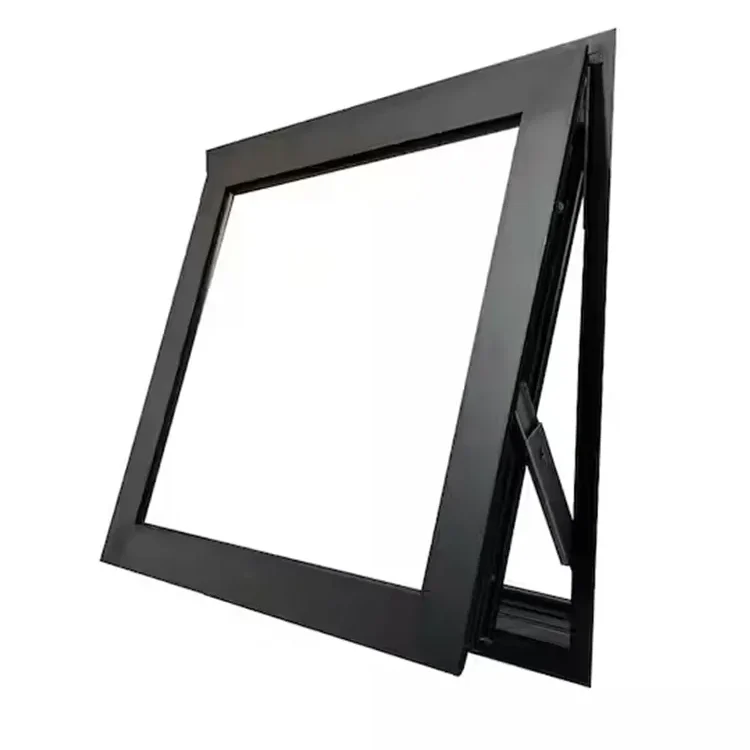

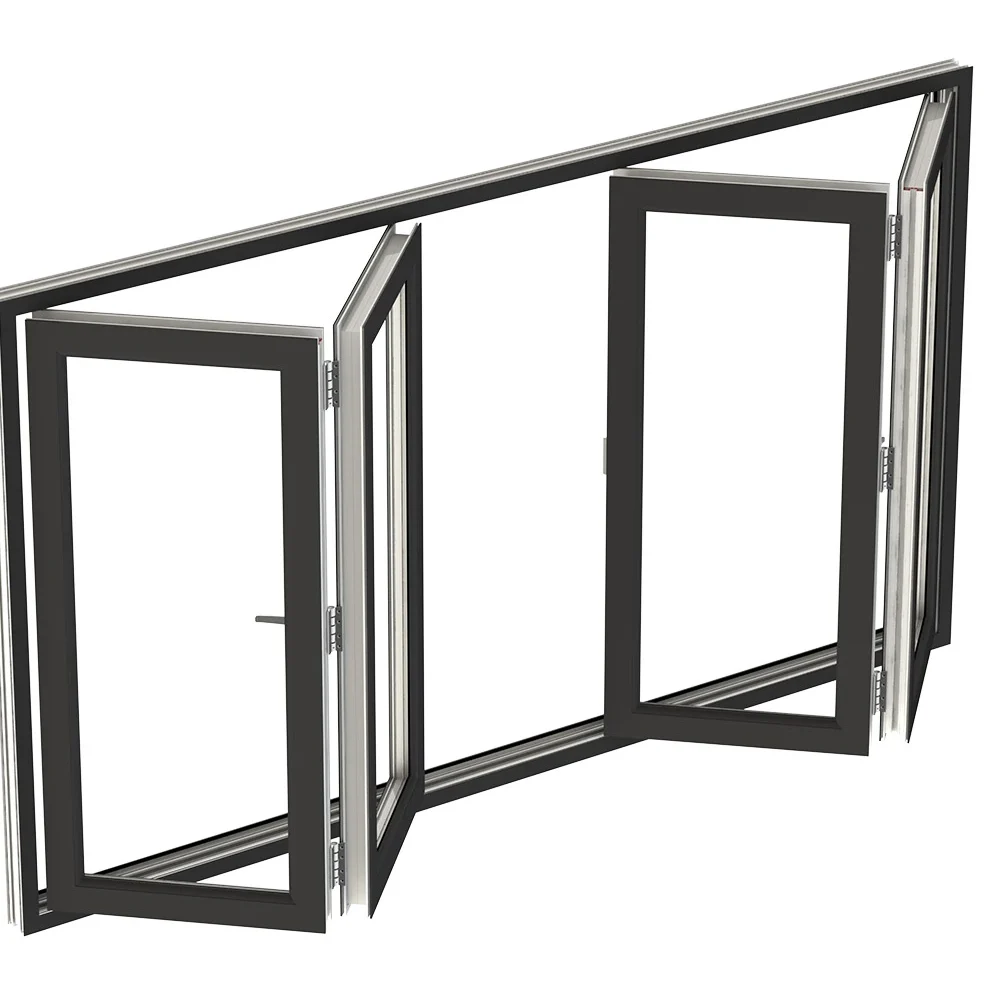

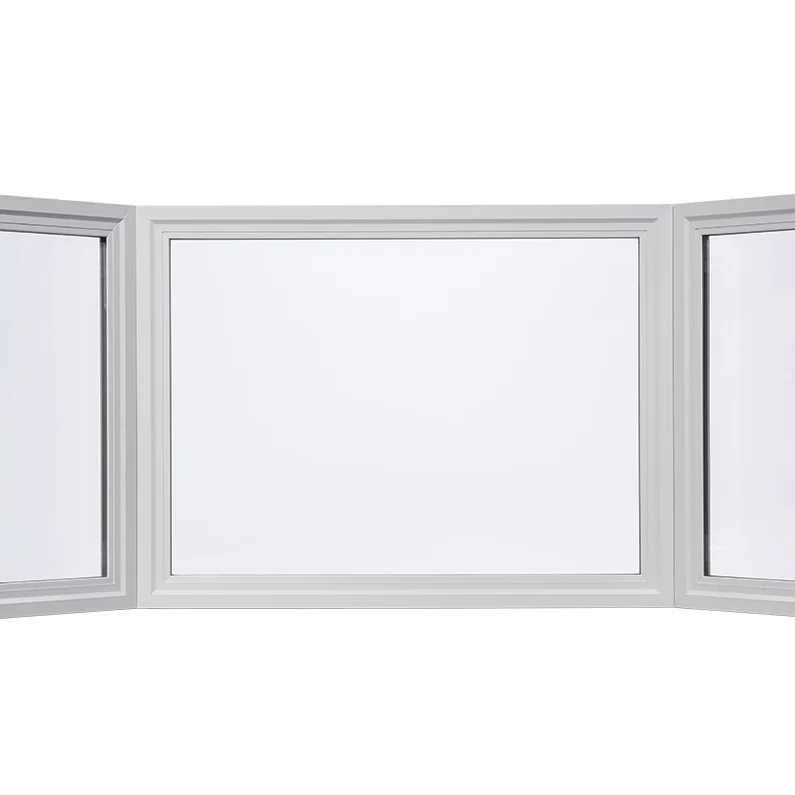





Bay windows are a beautiful way to open up a room, bring in more natural light, and create extra space you can actually use. Because they extend outward from the wall, their dimensions affect everything—from how much light you get to how comfortable the window seat feels. That’s why choosing the right size isn’t just about looks; it’s about making sure the window works well for your home.

In this guide, you’ll learn the standard width and height ranges most homeowners choose, how depth and projection change the feel of a room, and what functional details—like seating, wall space, and structural support—you should consider before deciding on your bay window size.
Standard Bay Window Size Ranges

Bay windows don’t come in one standard size—there’s a wide range to fit different rooms and layouts. Most homeowners choose dimensions that balance natural light, interior space, and the look of the exterior.
Typical Widths: 3 ft 6 in to 10 ft 6 in
Bay windows usually fall within this width range, with smaller sizes working well in bedrooms or kitchens and larger spans suited for living rooms or dining spaces. Wider bays create a more open feel and allow for bigger center panes.
Typical Heights: 3 ft to 6 ft 6 in
Height affects how much sunlight enters the room and how the window aligns with furniture. Shorter heights are ideal under counters or seating areas, while taller designs maximize the view and add drama.
Common Depth / Projection: 12″–18″ for Small Bays, 24″+ for Seating Bays
Depth determines how far the bay extends outward. Shallow bays add light without taking much exterior space, while deeper projections—24 inches or more—can support a comfortable window seat, reading nook, or display area.
Factors Influencing Bay Window Dimensions
Choosing the right bay window size depends on more than just what looks good. A few key factors help determine the right width, height, and projection for your space.
Wall Space and Room Size

The amount of available wall space sets the basic limits. Larger rooms can handle wide or tall bays, while smaller rooms may need a compact design to avoid overwhelming the area. Always consider nearby furniture, walkways, and how the window will affect the room’s layout.
Structural Support & Load-Bearing Needs

Because a bay window pushes outward, the wall must support the added weight. Load-bearing walls often require extra framing or reinforcement, especially for larger window spans. This ensures safety and prevents sagging over time.
Architectural Style & Bay Angle (30°, 45°, or Box Bay)
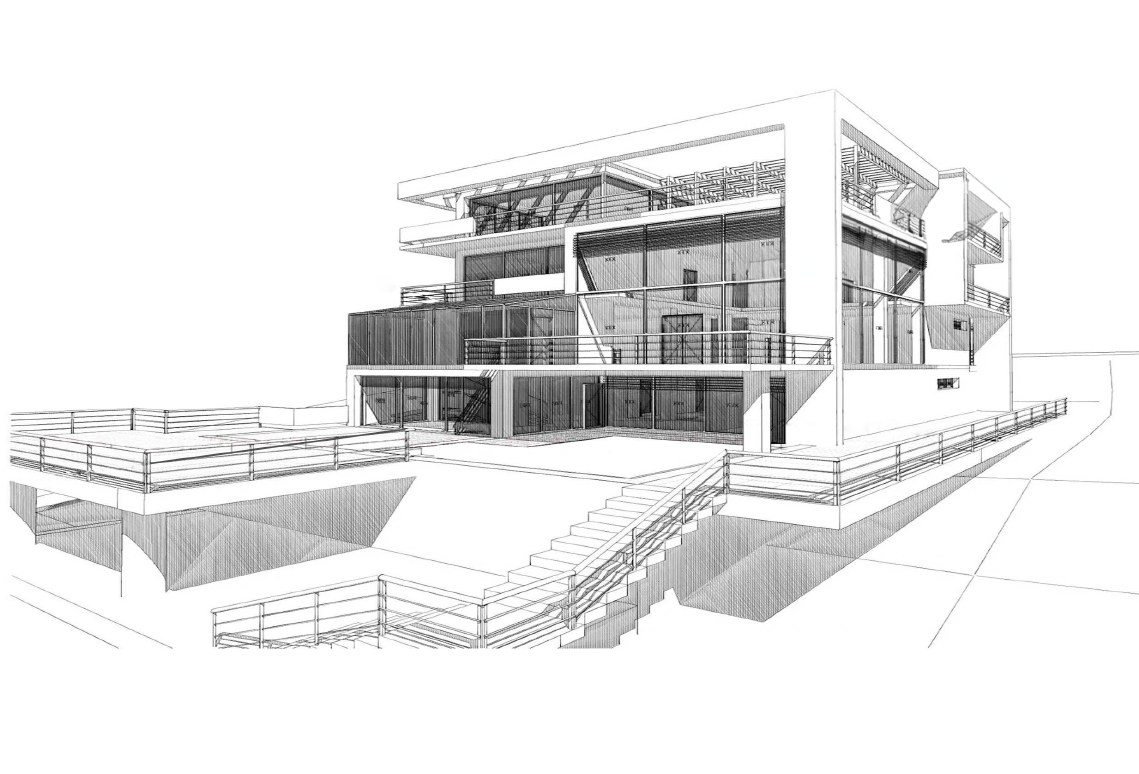
The angle shapes the look and feel of the window.
30° bays offer a gentle projection and modern look.
45° bays create a deeper, more traditional alcove.
Box bays extend straight out, giving a clean, simple shape.
Your home’s architectural style often guides which angle fits best.
Related Articles: Types of Bay Windows
Intended Use: Seating, Displays, or Reading Nooks

How you plan to use the bay affects its depth. A shallow bay works for added light, but a deeper 24″+ projection is better for a window seat or cozy reading nook. Decorative uses, like plants or displays, may need only a modest extension.
Depth & Projection: More Than Just Width and Height

Depth determines how far your bay window extends from the exterior wall, and it has a big impact on how the space feels indoors.
Shallow bays (12–18 inches) add light and architectural interest without taking up much exterior space.
Deep bays (24 inches or more) create room for seating, storage, or a reading nook.
Greater projection can affect how furniture fits inside the room and may require extra framing or support. Always check local building codes, as some areas limit how far a window can extend beyond the wall.
Room-by-Room Dimension Guidance

Choosing the right size also depends on where the bay window will go:
Living room / dining room: Larger widths and taller heights create a dramatic focal point and maximize views.
Bedroom or kitchen: Medium-width bays with moderate depth work well without overwhelming the room.
Small spaces: Compact bay windows or simple box bays provide extra light and space without crowding the layout.
Measuring & Planning for Installation

Getting the right bay window size starts with accurate measurements and a clear plan. Begin by measuring the rough opening, including the full width, height, and depth of the existing wall. Check the condition of the framing—older homes may need reinforcement, while new builds have more flexibility.
For replacement projects, measurements must match the existing structure closely. New construction allows for more freedom in width, height, and projection. Keep in mind that custom or non-standard sizes often cost more due to special fabrication and installation needs.
To avoid mistakes, double-check dimensions, look for obstructions (outlets, vents, roof overhangs), and make sure the exterior has enough space for the projection. A quick review with a professional installer can also prevent costly adjustments later.
Optimizing for Light, View & Usability

The right dimensions help your bay window feel natural and functional.
Choose the proper height: Aligning the sill with your room’s furniture height creates balanced proportions and improves the view.
Plan the right depth: A deeper projection offers room for a window seat or display ledge, while shallow bays work best when space is limited.
Check head height and comfort: If you want seating, make sure the window is tall enough for comfortable back support and allows natural light without glare.
By balancing height, width, and depth, you’ll create a bay window that brightens your room, enhances views, and feels great to use every day.
Ready to Find the Perfect Bay Window Size?
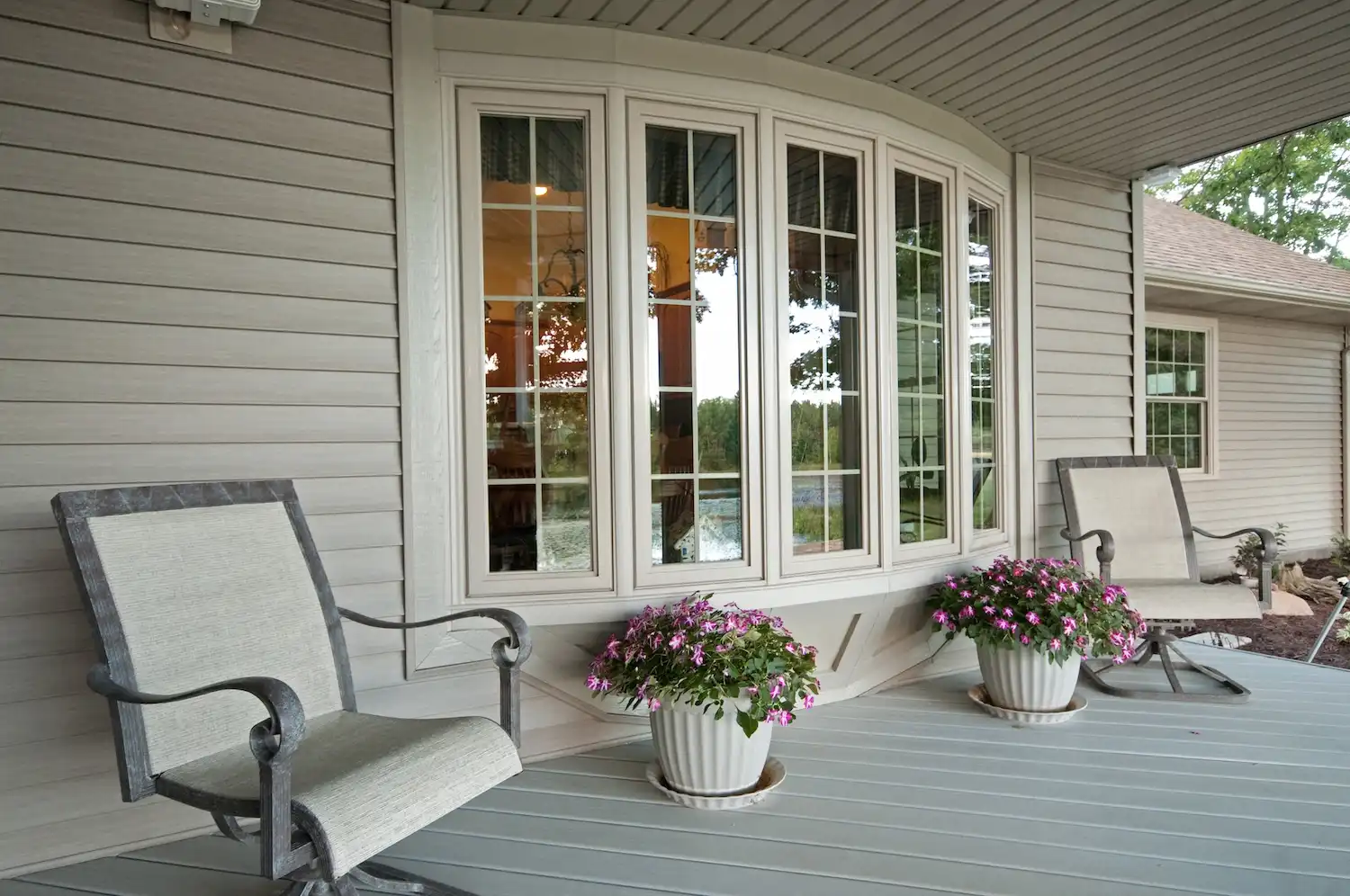
Choosing the right bay window dimensions can completely transform your space—bringing in more light, expanding your view, and adding a feature you’ll love for years. If you’d like help measuring, planning, or selecting the best style for your home, our team is here to guide you.
Reach out today—let’s design a bay window that fits your space beautifully and enhances your home’s comfort and character.
FAQs
What is the standard size of a bay window?
Bay windows typically come in widths from about 3 ft 6 in to 10 ft 6 in and heights from about 3 ft to 6 ft 6 in.
What is the minimum depth of a bay window?
A shallow bay window projection can start at around 12 inches (1 ft) from the wall.
How tall is a bay window from the floor in feet?
Bay window height ranges generally from 3 ft to 6.5 ft tall based on standard sizes.
How deep is a bay window wall?
Bay window projection (depth) often ranges from 12 to 24 inches depending on design and purpose.